
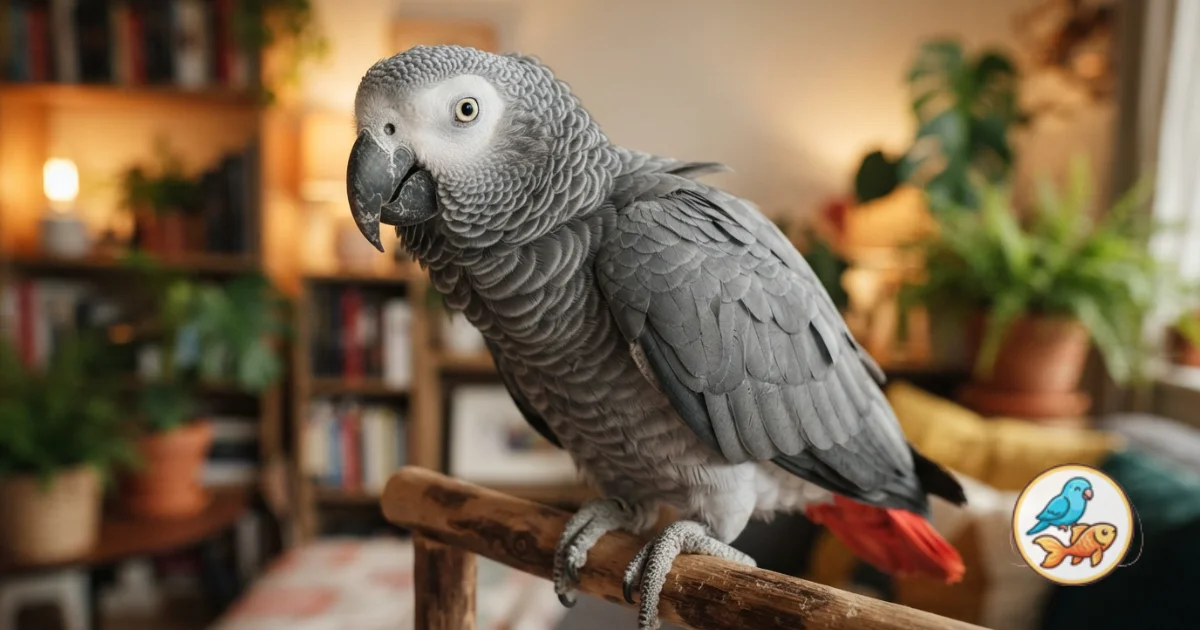
Stressed parrot behavior can be heartbreaking, but identifying these signs early is the most important skill for any bird owner. Seeing your parrot constantly pacing or plucking feathers can be concerning, as stress in birds is a silent issue that often goes unnoticed until physical symptoms appear. As a dedicated bird owner, mastering pet bird care means recognizing these subtle warning signs early before they escalate into serious health problems.
According to avian experts, a stressed parrot will display specific behavioral changes long before they become physically ill. By understanding these signs, you can adjust your home environment and ensure your companion thrives. In this guide, we break down the 5 critical signs of avian anxiety and provide actionable solutions to restore your bird’s happiness.
1. Excessive Feather Plucking
One of the most common signs of a stressed parrot is over-preening or plucking feathers. This is a clear indicator that your bird is trying to cope with deep emotional distress or extreme boredom. If you notice bare patches on your bird’s chest or wings, it is time to reassess their environment and provide more mental stimulation.
2. Constant Pacing
If your bird is pacing back and forth on its perch or the cage floor repeatedly, it is likely feeling anxious or confined. This repetitive, neurotic behavior is a sign that your stressed parrot needs more time outside the cage, a larger habitat, or more interactive toys to keep their mind occupied.
3. Sudden Aggression
A typically friendly parrot that suddenly starts biting or acting aggressively is often lashing out due to stress. Stress-induced aggression happens when a bird feels trapped, threatened, or overwhelmed by its surroundings. Always approach your bird slowly and calmly to avoid escalating their anxiety levels.
4. Appetite Changes
Stress impacts a bird’s digestion significantly. If your bird refuses its favorite treats or shows a sudden change in eating habits, it is a major warning. Because avian metabolism is very fast, you should consult an expert at the Association of Avian Veterinarians immediately if this persists, as it can lead to rapid weight loss.
5. Excessive Screaming
While birds naturally vocalize, constant, high-pitched screaming is often a desperate call for attention or an expression of extreme anxiety. A stressed parrot uses this sound to signal that their environment is not meeting their needs. Identifying the trigger—whether it’s loud noises or isolation—is key to stopping this behavior.
Prevention and Calm Environment
Prevention is always better than cure when dealing with a stressed parrot. Creating a stable environment is key. Ensure your bird gets at least 10-12 hours of uninterrupted sleep in a dark, quiet room. Provide a variety of puzzle toys that force your parrot to forage for food, simulating their natural wild behavior. Parrots are flock animals and suffer immensely when left alone for long periods. By diversifying their daily routine and ensuring they have adequate mental stimulation, you can prevent anxiety before it starts.
How to Calm Your Parrot
To help your bird recover, ensure they have plenty of toys for enrichment, maintain a consistent schedule, and spend quality time outside the cage every single day. For more professional advice on managing behavior, check our Health & Training guides.
Consistency is the secret to avian health. By establishing a routine, you reduce the unpredictability that often leads to anxiety, creating a safe and secure environment where your feathered friend can truly flourish and enjoy a vibrant, happy life with you
Is your bird showing signs of stress? Share your experience in the comments below, and don’t forget to check our other Parrots & Parakeets resources for more expert tips!