
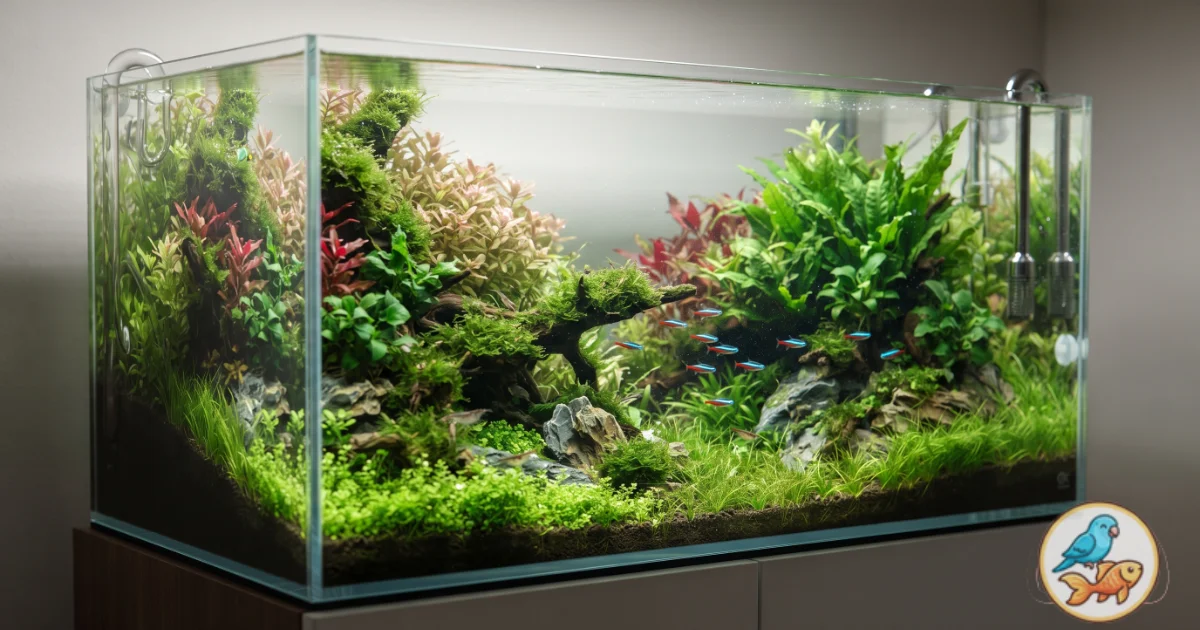
Starting your journey in beginner aquascaping is one of the most rewarding experiences in the fish-keeping hobby. It is not just about keeping fish; it is about creating a living, breathing piece of underwater art. Many new hobbyists feel overwhelmed by the technical jargon, but with the right approach, anyone can build a thriving, beautiful garden. In this ultimate guide, we break down the fundamental steps for a successful setup, ensuring you have the knowledge to create a masterpiece.
1. Choosing the Right Tank
For any beginner aquascaping project, size matters. While smaller tanks look cute, they are harder to balance. Aim for a 20-gallon tank; it provides enough volume for plants and forgiving water parameters. A larger volume of water means your water chemistry won’t swing wildly if you make a small mistake, which is vital when you are just starting out.
2. Selecting the Best Substrate
Plants need nutrients to grow. Do not use plain, inert gravel. Invest in an aquascaping-specific nutrient-rich soil. This provides essential minerals for your plants to thrive right from the start, ensuring robust root growth and vibrant leaf colors. Think of the substrate as the foundation of your house; a bad foundation will lead to stunted plant growth later.
3. Hardscape Design
Before adding water, place your rocks and driftwood. This “skeleton” is the foundation of your beginner aquascaping setup. Create a focal point by placing your main hardscape material slightly off-center. This follows the “Rule of Thirds,” which is a classic artistic principle that makes your aquarium look more natural and aesthetically pleasing to the human eye.
4. Essential Planting Tips
Start with easy, low-tech plants like Anubias, Java Fern, or Cryptocoryne. These plants do not require high-end lighting or CO2 injection, making them perfect for those new to the hobby. Always ensure your plants are spaced correctly; overcrowding can lead to poor circulation, which might cause algae growth in the long run.
5. Maintenance and Water Quality
Consistency is the secret to a successful tank. Regular water changes and monitoring your nitrogen cycle are essential. You need to ensure your tank is fully cycled before adding any livestock. Learn more expert techniques in our Maintenance & Filtration section.
The Role of Lighting
Lighting is the engine of your aquarium. Without it, your plants cannot perform photosynthesis. As a beginner, look for LED lights that offer a full spectrum. Don’t leave them on 24/7; a 6-8 hour photoperiod is perfect to simulate natural daylight cycles while keeping algae at bay.
Conclusion
Mastering beginner aquascaping takes patience and observation. Don’t be discouraged if your first attempt isn’t perfect—every expert started exactly where you are now. Keep learning, keep experimenting, and visit our Aquascaping category for more professional design inspiration.
Ready to start your tank? Share your setup plans in the comments below, and explore our Freshwater Aquarium guides for additional setup tips!