Avoiding common aquarium mistakes is the most important step when setting up your first fish tank. You envision a vibrant, peaceful underwater world inside your home. However, many beginners notice their fish becoming sluggish or falling ill within the first few weeks. The truth is, maintaining a healthy tank requires more than just clean water and daily feeding.
In fact, according to aquatic experts, over 80% of preventable fish loss is caused by a few hidden aquarium mistakes. Whether you are keeping a simple goldfish or managing a complex aquascape, avoiding these common pitfalls will completely transform your pet care routine.
[rank_math_toc]
1. The “Clean Water” Trap: Over-Cleaning Your Filter
It sounds counterintuitive, but keeping your tank “too clean” can actually be fatal. Many new hobbyists rinse their filter cartridges under tap water until they look brand new. This is one of the most dangerous aquarium mistakes you can make.
Your filter is home to millions of beneficial bacteria that break down toxic fish waste (ammonia). When you wash the filter with chlorinated tap water, you kill this invisible biological workforce. This triggers a sudden spike in toxic chemicals, leading to “New Tank Syndrome.”
Critters Pro Tip: Never wash your filter media under running tap water. Instead, gently rinse it inside a bucket filled with water you just siphoned out of the aquarium during a water change. This removes debris while keeping the beneficial bacteria alive.
2. Overfeeding: The Silent Killer
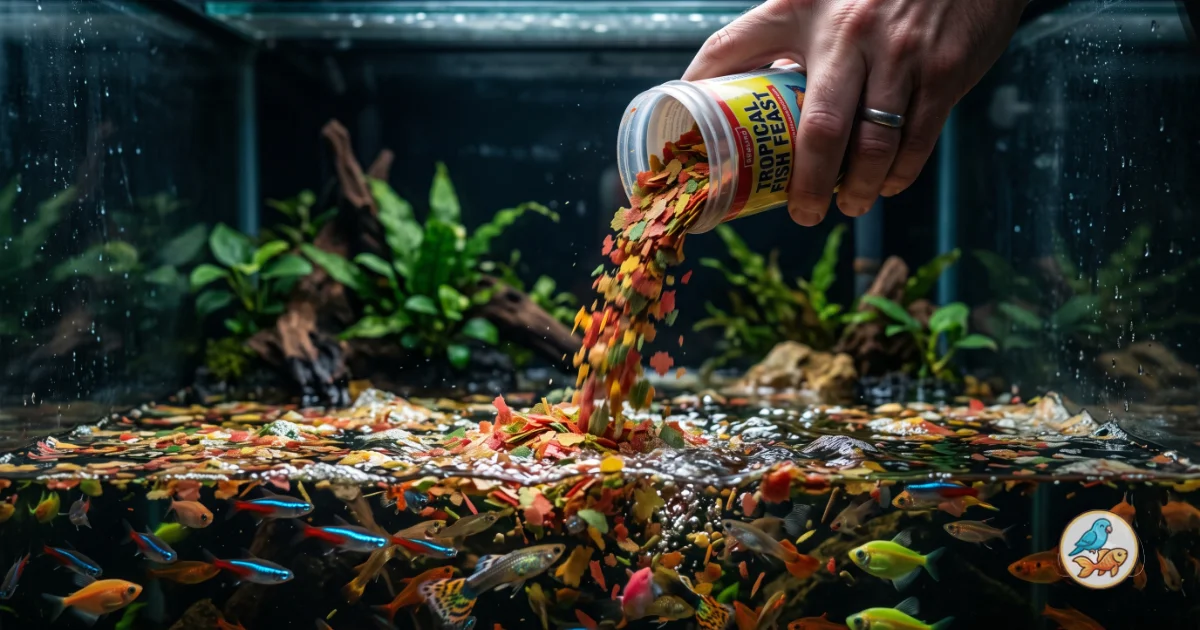
Seeing your fish rush to the surface when you walk by is heartwarming. It is easy to think they are always hungry, leading to overfeeding. However, a fish’s stomach is roughly the size of its eye. Feeding them too much food causes two major problems.
First, uneaten food sinks to the bottom and rots, rapidly polluting your aquarium water. Second, overfed fish produce excessive waste, which overloads your filtration system. This environment promotes dangerous bacterial blooms and drops oxygen levels.
- The 2-Minute Rule: Only feed your fish an amount they can completely consume within two minutes.
- Skip a Day: Fasting your fish once a week is healthy and helps clear their digestive tracts.
3. Adding Too Many Fish Too Quickly (The Uncycled Tank)
When you buy a new aquarium, the temptation to fill it with colorful fish on day one is immense. Skipping the “Nitrogen Cycle” is one of the most frequent aquarium mistakes and a recipe for disaster. A brand-new tank is completely sterile and lacks the ecosystem needed to process fish waste.
Introducing a large group of fish simultaneously creates a massive amount of waste that the sterile water cannot handle. To ensure proper fish care tips are followed, you must build up the biological load gradually.
Spend the first 2 to 4 weeks cycling your tank using a bacterial starter or adding just one or two hardy fish. Monitor the water quality using a reliable liquid test kit before introducing more sensitive species.
4. Mixing Incompatible Tank Mates
Just because two fish look beautiful together in the pet store does not mean they can share the same home. Mixing species without researching their behavior, water parameters, and temperature requirements is a critical error and belongs on any list of dangerous aquarium mistakes.
For instance, putting a peaceful, slow-moving Guppy in the same tank as aggressive, fin-nipping Barbs will cause chronic stress and physical injury to the Guppy. Furthermore, mixing cold-water fish like Goldfish with tropical fish like Tetras compromises the immune systems of both species.
5. Making Massive, Drastic Water Changes
If your aquarium water looks a bit cloudy, your first instinct might be to change 100% of the water to fix it. Doing this shocks your fish’s system. Fish adapt to the specific pH, hardness, and temperature of their current water. A sudden, massive shift throws them into osmotic shock.
To maintain a stable, thriving environment, consistency is key. Stick to small, routine maintenance schedules rather than occasional drastic overhauls.
| Maintenance Type | Frequency | Ideal Water Volume |
|---|---|---|
| Routine Water Change | Weekly / Bi-weekly | 15% to 25% |
| Emergency Water Change | Only during chemical spikes | Max 50% |
Conclusion: Consistency Over Correction
A thriving aquarium is not built on sudden fixes; it is built on small, consistent habits. By avoiding these common aquarium mistakes, you protect your aquatic pets from unnecessary stress and illness. Remember to feed sparingly, clean your filter media gently in tank water, and always research your fish species before mixing them.
What is your current aquarium setup? Let us know in the comments below, and don’t forget to share this guide with fellow fish keepers!